

Renewable Energy and NASA-Recommended Indoor Plants for Sustainable Living
Modern sustainability is no longer a choice limited to industries or governments, but a necessary shift that individuals and households must gradually adopt in order to reduce environmental stress and improve long-term living conditions. The increasing demand for energy, combined with rising pollution levels and declining air quality in urban environments, has created a situation where traditional systems alone are no longer sufficient to maintain ecological balance. As a result, there is a growing need to integrate clean energy solutions with natural systems that support human health and environmental stability in a more practical and accessible way.
EcoInnovated focuses on bridging this gap by combining renewable energy technologies with scientifically studied indoor plant systems that were explored in NASA research on air purification. Renewable energy systems such as solar and wind power reduce dependency on fossil fuels and lower carbon emissions at a structural level, while indoor plants help improve the quality of air inside living and working spaces by naturally filtering harmful compounds and increasing oxygen levels. When these two systems are understood together, they form a complete approach to sustainability that works both externally in the environment and internally within human spaces.
Understanding Renewable Energy in Daily Life
Renewable energy systems are designed to harness natural forces such as sunlight, wind, and heat in order to generate electricity without depleting finite resources or producing excessive pollution. Unlike traditional fossil fuel-based energy systems, renewable sources operate continuously through naturally occurring cycles, making them more sustainable in the long term. Solar panels convert sunlight into usable electrical energy, while wind turbines capture kinetic energy from air movement, both contributing to a significant reduction in environmental impact when adopted at scale across residential and industrial applications.
The importance of renewable energy extends beyond just electricity generation, as it also plays a key role in reducing greenhouse gas emissions, minimizing dependence on non-renewable resources, and supporting global climate stability. As more households transition toward renewable systems, the collective reduction in carbon output contributes to improved air quality and reduced strain on natural ecosystems. This shift is not only technological but also behavioral, as it encourages individuals to become more conscious of how energy is consumed and managed in everyday life.
NASA Research on Indoor Plants and Air Quality
NASA’s research into indoor plant systems was originally conducted to understand how closed environments such as space stations could maintain breathable air for extended periods without external ventilation systems. The study identified that certain plants have the natural ability to absorb airborne toxins, regulate humidity levels, and contribute to oxygen production through biological processes. These findings have since been widely referenced in sustainable living practices and indoor environmental design strategies around the world.
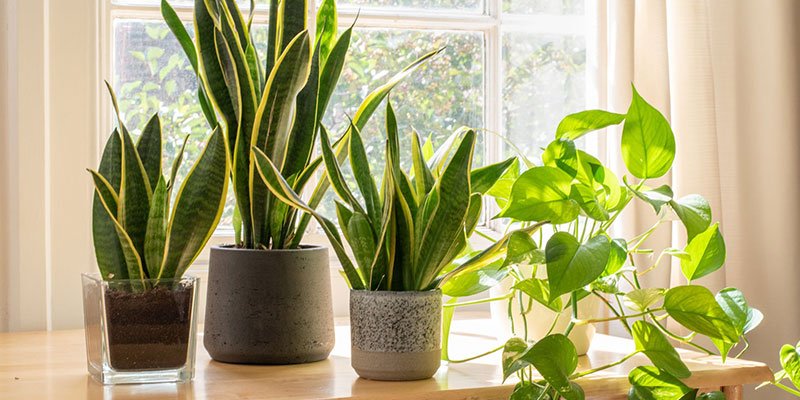
Plants such as snake plant, aloe vera, and peace lily are commonly associated with improved indoor air quality due to their ability to process and reduce common household pollutants. While they are not replacements for mechanical ventilation systems, they serve as natural supporting elements that enhance environmental balance within enclosed spaces. Their presence also contributes to psychological well-being, creating calmer and more nature-connected living environments that support overall mental and physical health.
Integration of Energy Systems and Natural Environments
The true value of sustainability emerges when renewable energy systems and natural air purification methods are viewed as interconnected rather than separate solutions. Renewable energy addresses external environmental impact by reducing emissions and pollution at the source of power generation, while indoor plants improve internal environments by enhancing air quality and supporting healthier breathing conditions. Together, they create a dual layer of sustainability that operates both outside and inside human living spaces in a balanced manner.
This integrated approach encourages a lifestyle where technology and nature coexist rather than compete. Homes powered by clean energy systems and enriched with natural plant-based air purification represent a more complete version of sustainable living. This combination not only reduces environmental impact but also enhances daily comfort, productivity, and long-term well-being, making sustainability a practical and achievable goal rather than a distant concept.
Sustainability is achieved when clean energy systems and natural ecological solutions work together as a unified system rather than separate ideas.
Conclusion
The future of sustainable living depends on the ability to combine technological innovation with natural environmental intelligence in a way that is practical, scalable, and accessible to everyday users. Renewable energy systems provide the structural foundation for reducing environmental damage, while NASA-researched indoor plants contribute to healthier and more balanced living conditions. When both approaches are adopted together, they create a comprehensive framework for sustainability that supports both planetary health and human well-being.
EcoInnovated promotes this combined perspective as a simple yet powerful pathway toward long-term environmental responsibility. By encouraging the adoption of clean energy systems alongside natural air-enhancing solutions, it becomes possible to create homes, workplaces, and communities that are not only energy-efficient but also biologically supportive. This balanced approach represents a realistic step toward a cleaner, healthier, and more sustainable future.
Leave a Reply