

Integrated Home Sustainability Systems: Where Energy and Nature Coexist
Modern living spaces are undergoing a major transformation where homes are no longer just physical structures but intelligent ecosystems designed for efficiency, comfort, and environmental balance. The concept of sustainability is now deeply integrated into how energy is produced, managed, and consumed within residential environments. Instead of relying entirely on external power grids and artificial air systems, modern homes are gradually shifting toward a hybrid model that combines renewable energy technologies with natural biological systems. This creates a more balanced lifestyle where technology supports efficiency and nature supports well-being in parallel.
EcoInnovated focuses on this evolving relationship between clean energy systems and nature-based environmental design. The goal is not only to reduce environmental impact but also to improve everyday living conditions through smarter energy use and healthier indoor environments.
Smart Energy Flow in Modern Homes
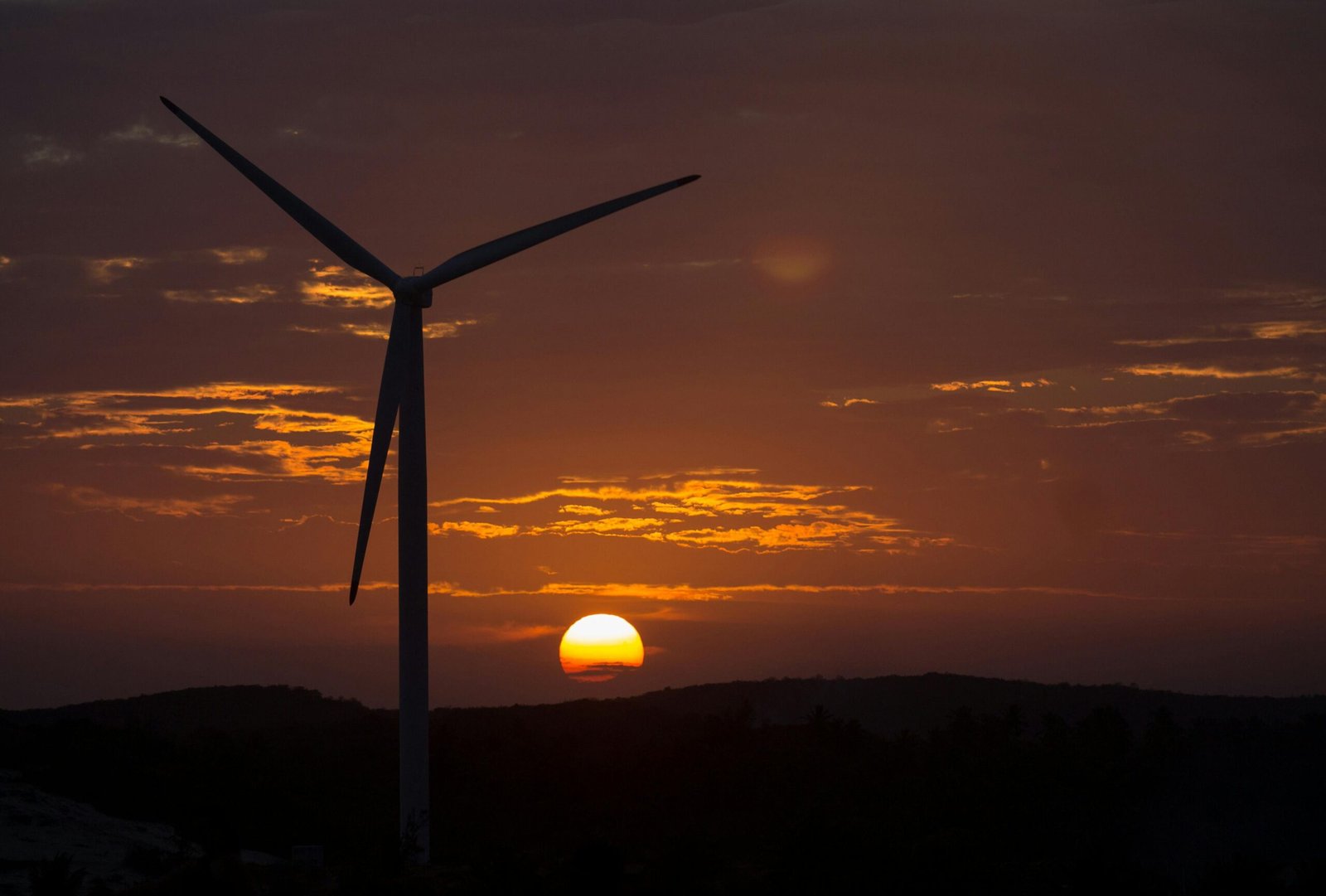
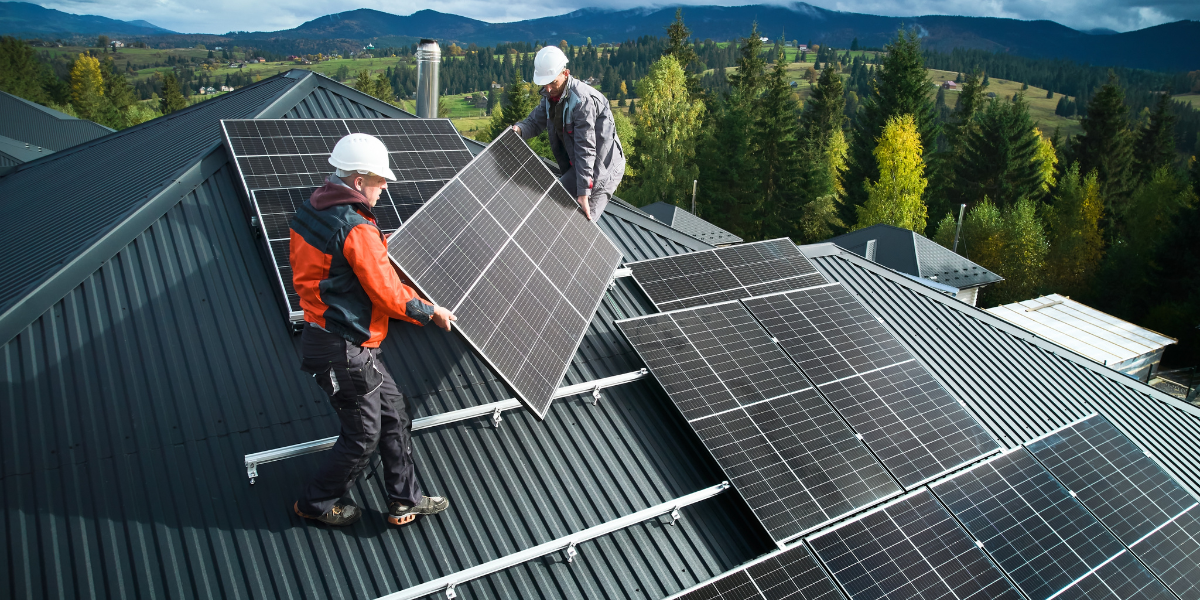
Energy systems inside homes are becoming increasingly intelligent, moving away from fixed consumption patterns toward adaptive energy flow models. Solar panels and wind-based systems now generate electricity that is stored and distributed based on real-time household requirements. This ensures that energy is used efficiently rather than wasted.
Smart routing systems monitor consumption patterns and automatically allocate energy where it is needed most. This reduces unnecessary load on the grid and improves long-term sustainability. Over time, the system becomes more efficient as it learns usage behavior, creating a self-optimizing energy ecosystem inside the home.
Natural Air Systems and NASA Plant Integration
Alongside energy optimization, indoor environments are evolving through the integration of natural biological systems that work silently but continuously to improve living conditions. NASA research on indoor plants has highlighted how certain species are capable of contributing to better indoor air balance by interacting with airborne elements in enclosed spaces. Plants such as snake plant, aloe vera, and peace lily are widely recognized for their ability to support healthier indoor environments when maintained properly. These plants do not rely on electricity or mechanical systems, yet they still play a functional role in improving environmental quality inside homes. Their presence introduces a natural layer of balance that complements modern architectural spaces designed with sealed or semi-sealed ventilation systems. When placed in different zones of a home, they contribute to a more distributed environmental effect rather than a single-point solution. Over time, this creates a living system that adapts slowly to the indoor environment and supports long-term air stability. This approach bridges the gap between natural biology and modern interior design in a practical and sustainable way. As a result, homes become not only visually appealing but also more aligned with healthier environmental conditions.
These plants function as natural air regulators, operating continuously without requiring electricity, maintenance-intensive systems, or external control mechanisms. Their biological processes allow them to interact with the surrounding environment in a passive yet consistent manner over long durations. When placed strategically in bedrooms, living areas, or workspaces, they contribute to creating a more stable indoor atmosphere. This stability is not immediate but builds gradually as the plants adapt to humidity levels, light exposure, and room conditions. Unlike artificial air systems that operate in cycles, natural systems remain active as long as the plant is alive and healthy. This makes them a low-maintenance yet long-term supportive solution for improving indoor environments. They also help reduce dependency on energy-consuming purification systems in smaller residential spaces. Over time, this reduces both environmental impact and household energy usage simultaneously. In this way, natural systems become a silent but important part of sustainable home design.
Integration of Energy and Natural Systems
The real strength of sustainable living lies in the integration of renewable energy systems with natural environmental solutions into a unified framework. Instead of treating energy and indoor environment as separate concerns, modern sustainable design connects them into a single ecosystem. Solar and wind energy systems reduce dependency on traditional power sources by generating clean electricity directly within residential spaces. At the same time, natural biological systems such as indoor plants help maintain environmental balance inside those same spaces. When these two systems operate together, they create a layered sustainability model that supports both external efficiency and internal well-being. This reduces pressure on centralized energy infrastructure while also improving the quality of life inside homes. The interaction between these systems is not mechanical but complementary, where each supports a different aspect of sustainability. Over time, this combination leads to reduced environmental footprint without compromising comfort or functionality. It represents a shift from isolated solutions to interconnected living systems.
This integration ensures that homes are not only energy-efficient but also healthier and more adaptive to long-term living conditions. A balanced ecosystem emerges when renewable energy reduces external consumption while natural systems improve internal environments. This dual structure allows households to function more independently from external environmental pressures. It also encourages a lifestyle where sustainability becomes part of daily living rather than a separate effort or task. As awareness increases, more homes begin adopting this hybrid model of energy and nature working together. The result is a gradual transformation in how residential spaces are designed and maintained. Instead of focusing only on efficiency, modern homes begin to prioritize environmental harmony and human well-being equally. This shift creates long-term benefits not only for individuals but also for the broader ecosystem. Ultimately, it leads to more responsible and future-ready living environments.
Conclusion
Integrated sustainability systems represent a major shift in how modern living environments are designed and experienced. By combining renewable energy technologies with natural biological solutions, homes become more efficient, adaptive, and environmentally responsible. This approach reduces dependence on non-renewable resources while improving the internal quality of living spaces. It also encourages a more conscious relationship between humans and their environment, where both technology and nature play active roles. Instead of treating sustainability as an external goal, it becomes embedded into daily living patterns. Over time, even small improvements such as adding plants or installing solar systems contribute to a larger environmental impact. This gradual evolution makes sustainability more practical and achievable for everyday households. It also ensures that environmental responsibility does not conflict with comfort or modern lifestyle needs. The future of housing will increasingly depend on this balance between efficiency and natural harmony.
EcoInnovated promotes this vision of balanced living where energy systems and natural systems are not separate ideas but interconnected components of the same ecosystem. As these practices become more accessible, sustainable living will transition from a specialized concept into a common lifestyle standard. The combination of clean energy and natural environmental solutions creates a foundation for long-term ecological stability. This approach helps reduce environmental strain while improving personal well-being at the same time. In the long run, such systems encourage more responsible consumption and smarter resource usage across households. They also support a global shift toward cleaner, greener, and more resilient communities. By adopting these principles early, individuals contribute to a larger collective environmental improvement. Sustainability becomes not just a choice but a natural extension of modern living. This is the direction in which future homes and societies are steadily evolving.
Leave a Reply