
Hydro, Wind, and Solar Energy Systems: The Foundation of Pure Renewable Power
Understanding the Shift Toward Pure Renewable Energy
The global energy landscape is undergoing a structural transformation where traditional fossil-fuel-based systems are gradually being replaced by renewable energy sources that are naturally replenished and environmentally sustainable over long-term cycles, including hydro power, wind energy, and solar energy systems that collectively form the backbone of modern clean energy infrastructure. This transition is driven by increasing environmental pressure, rising energy demand, and the urgent need to reduce carbon emissions that contribute to climate instability, making renewable systems not just an alternative but a necessary evolution in how electricity is generated, distributed, and consumed across residential, industrial, and urban environments. These energy systems operate by harnessing natural forces—flowing water, moving air, and sunlight—turning them into usable electrical power without depleting natural resources or producing harmful emissions, thereby creating a continuous cycle of sustainable energy production that aligns human development with ecological balance.

Solar Energy: Harnessing the Power of the Sun
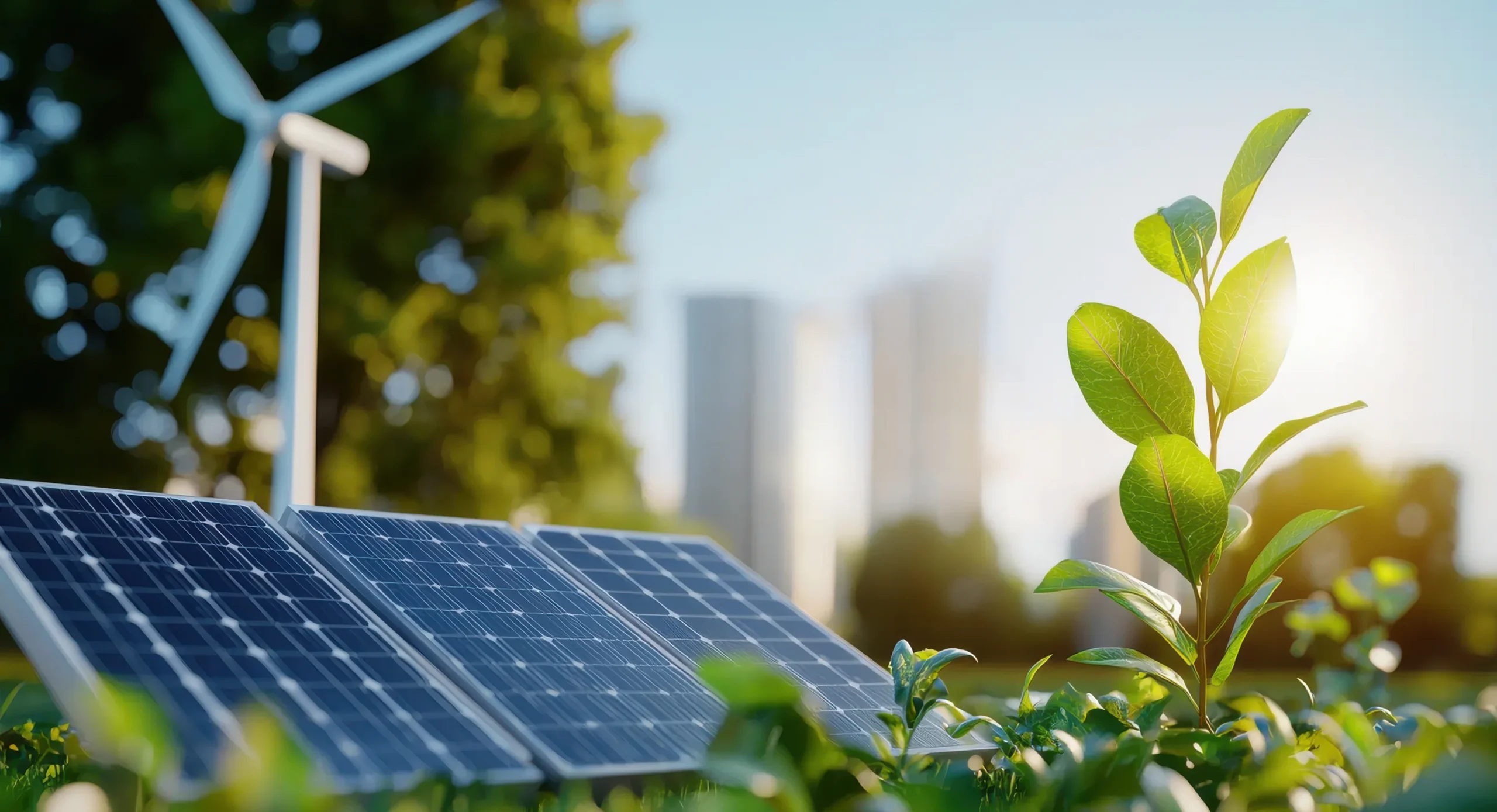
Solar energy systems convert sunlight into electricity using photovoltaic panels that absorb solar radiation and transform it into usable electrical energy through semiconductor-based processes, making it one of the most accessible and widely adopted renewable energy sources across the world due to its scalability, low maintenance requirements, and ability to function in both urban rooftops and large-scale solar farms. Solar systems operate silently and continuously during daylight hours, storing excess energy in battery systems for later use, ensuring consistent power availability even when sunlight is not present. Over time, advancements in solar technology have significantly improved efficiency levels, reduced installation costs, and expanded accessibility, making solar energy a practical solution for both individual households and large industrial applications seeking to reduce dependency on conventional energy grids.
The long-term impact of solar energy adoption extends beyond electricity generation, influencing energy independence, reducing utility costs, and lowering environmental footprint by eliminating greenhouse gas emissions during operation. As solar infrastructure becomes more integrated into building design and urban planning, it contributes to a distributed energy model where power generation occurs closer to the point of consumption, reducing transmission losses and increasing overall system efficiency in a decentralized energy ecosystem.
Wind Energy: Capturing Motion from Nature
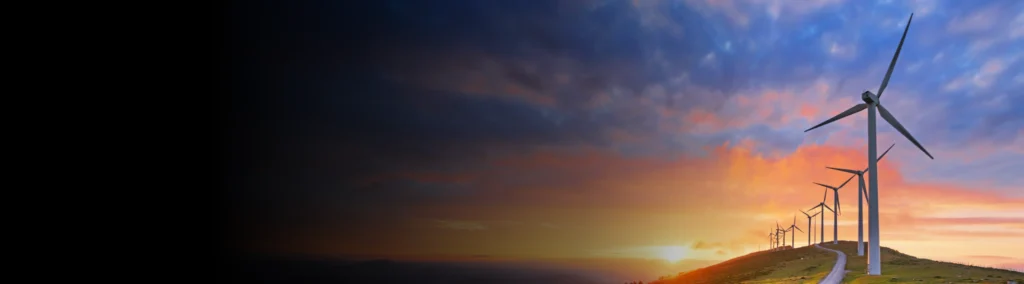
Wind energy systems generate electricity by converting kinetic energy from moving air into mechanical energy using large turbine structures that rotate when exposed to consistent wind flow, which then drives generators that produce electrical power without emitting pollutants or consuming finite natural resources. Wind farms are often located in areas with strong and consistent wind patterns such as coastal regions, open plains, and elevated terrains, where air movement is naturally stable and can support large-scale energy production. This makes wind energy one of the most efficient renewable sources when deployed in suitable geographic conditions, capable of generating significant electricity output while occupying relatively low operational footprint compared to traditional power plants.
Modern wind energy systems are increasingly designed with advanced aerodynamic engineering, noise reduction technologies, and smart monitoring systems that optimize turbine performance based on real-time wind conditions. These improvements have enhanced efficiency and reduced environmental impact on surrounding ecosystems, making wind power a critical component of global renewable energy strategies that aim to balance energy demand with environmental preservation while supporting long-term sustainability goals across multiple sectors.
Hydro Energy: Power from Flowing Water Systems
Hydropower systems generate electricity by utilizing the natural movement of water through rivers, dams, and controlled flow systems, where kinetic energy from flowing water is converted into mechanical rotation that drives turbines connected to electrical generators. This method of energy production is one of the oldest and most reliable forms of renewable energy, providing consistent and large-scale electricity generation capacity in regions with sufficient water resources and elevation differences. Hydro systems are highly efficient because water flow is predictable and can be controlled to match energy demand patterns, making them an essential component of national energy grids in many parts of the world.
In addition to electricity generation, hydro systems often contribute to water management, irrigation support, and flood control, making them multifunctional infrastructure assets that serve both energy and environmental purposes simultaneously. However, modern hydro development focuses increasingly on minimizing ecological disruption while maximizing energy output through advanced turbine designs, run-of-river systems, and environmentally balanced reservoir management strategies that ensure long-term sustainability of aquatic ecosystems.
Conclusion
Hydro, wind, and solar energy systems together form the core foundation of a sustainable energy future where electricity generation is no longer dependent on fossil fuels but instead relies on naturally occurring environmental forces that are continuously replenished. Each system contributes uniquely to energy stability: solar provides scalable daytime power, wind offers dynamic motion-based generation, and hydro ensures consistent baseline energy supply through controlled water flow systems. When combined, they create a balanced and resilient energy ecosystem capable of meeting modern consumption demands while significantly reducing environmental impact across global infrastructure networks.
EcoInnovated supports this integrated renewable energy vision where clean power is not treated as a single solution but as a coordinated system of natural energy sources working together to build a more stable, efficient, and environmentally responsible future. As adoption increases, these systems will redefine how societies generate and manage energy, shifting the world toward a model where sustainability is embedded into the very foundation of everyday living.
Leave a Reply